
Servicing Bradenton and Sarasota, Florida
Water Damage Restoration in Bradenton Florida
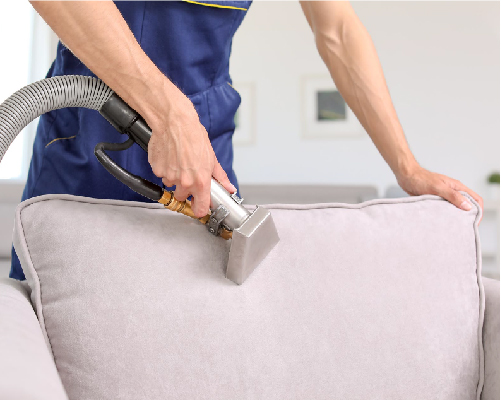
Professional water damage restoration in Bradenton Florida helps property owners address unwanted water and the materials affected after leaks, flooding, plumbing problems, or other water intrusion. Water can move beyond the area where it first appears, reaching carpets, flooring, walls, furniture, and other materials. Addressing the source and evaluating affected areas are important early steps.
Steamatic provides water damage and floodwater-related services for customers in the Bradenton area. If your property has been affected by unwanted water, call 941-756-4574 to explain the situation and discuss the appropriate next step.
Professional Water Damage Restoration for Your Property
Water damage can range from a relatively contained incident to a larger problem affecting multiple rooms and materials. The appropriate response depends on where the water originated, how far it traveled, how long materials were exposed, and what parts of the property became wet.
Visible standing water is often only the most obvious part of the problem. Carpeting, padding, baseboards, walls, furniture, and other materials may also be affected depending on the circumstances.
Professional restoration begins by understanding the scope of the water intrusion rather than treating every incident exactly the same way.
If water is still entering the property, the source should be stopped when it is safe to do so. Plumbing failures or other underlying problems may also require the appropriate trade professional before restoration can fully proceed.
Common Situations That Can Cause Water Damage
Water can enter or spread through a property for many different reasons. Knowing the source is important because different water-loss situations can require different cleanup considerations.
Water damage may result from situations such as:
-
Plumbing leaks or failures
-
Overflowing fixtures
-
Appliance-related water releases
-
Roof or exterior water intrusion
-
Storm-related flooding
-
Water entering multiple rooms
-
Saturated carpeting or flooring
-
Other unexpected indoor water releases
The source of the water should never be ignored. Removing visible water without correcting an active leak or other continuing source may allow the problem to return.
Why Prompt Attention to Water Damage Matters
Water can move quickly across flooring and into absorbent materials. An incident that initially appears limited to one area may involve adjoining surfaces or materials that are not immediately visible.
Addressing accessible water is an important early step, but restoration may require more than removing what can be seen on the floor.
Affected materials should be evaluated to determine what needs drying, cleaning, further attention, or possible replacement. The appropriate decision depends on the type of material, degree of exposure, source of the water, and overall condition.
Prompt professional attention can help property owners better understand the extent of the situation and determine what steps are appropriate.
What Water Damage Restoration May Involve
Water damage restoration is a process rather than a single cleaning task. The exact work required depends on the individual property and water-loss event.
The affected areas first need to be identified. If standing or accessible water remains, water removal may be an early part of the process.
Carpets, flooring, furniture, walls, and other exposed materials can then be evaluated according to their condition. Additional drying and cleaning may be appropriate depending on the situation.
Some incidents are relatively contained, while others can involve multiple rooms and different types of materials. Because of these differences, the scope of restoration should be based on the actual conditions rather than a predetermined checklist applied to every property.
Water Removal and Restoration Are Different Steps
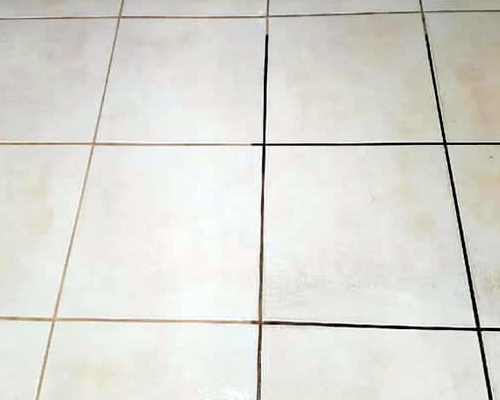
Water removal and water damage restoration are closely related, but they should not always be treated as interchangeable terms.
Water removal focuses primarily on addressing unwanted water present at the property. Restoration considers what needs to happen to affected materials and areas after the immediate water problem has been controlled.
For example, removing standing water from a carpeted room does not automatically mean the carpet, padding, baseboards, walls, or nearby furniture no longer require attention.
Depending on the incident, additional evaluation, drying, cleaning, or restoration work may be necessary.
Understanding this distinction can help property owners set realistic expectations about what happens after the visible water is gone.
What to Do After Discovering Water Damage
Personal safety comes first. Avoid entering areas where standing water may be in contact with electrical equipment or where structural damage, sewage, contaminated water, or other hazards may be present.
If the water source can be stopped safely, preventing additional water from entering the property can help limit further exposure. A plumbing-related incident may require shutting off an appropriate water supply and arranging repair of the underlying plumbing problem.
Keep children and pets away from affected areas when conditions are uncertain.
Once immediate safety concerns are addressed, contact a water damage professional and provide as much information as possible about the incident.
Explain what happened, where the water came from if known, when it was discovered, whether water is still entering the property, and which rooms or materials appear affected.
Water Damage to Carpets and Upholstered Furniture
Carpeting and upholstered furniture can absorb water, which means the condition of these materials may need to be considered during restoration.
Whether a water-affected carpet, rug, sofa, or chair can be cleaned depends on the circumstances. The source of the water, amount of exposure, condition of the material, and other factors can influence what should happen next.
Avoid assuming that every wet material can simply be cleaned and reused. Likewise, do not assume that every water-exposed item automatically needs replacement.
Professional evaluation can help determine the appropriate approach based on the actual conditions.
Preparing for Water Damage Restoration
Unlike ordinary cleaning appointments, water damage situations may not allow much advance preparation.
Do not enter an unsafe area simply to move belongings or prepare for service. When conditions permit safe access, document visible damage with photographs for your records.
If you plan to contact an insurance company, follow its instructions regarding reporting and documentation. Keep relevant information about the incident available, including when it occurred and the suspected source.
When contacting Steamatic, clearly describe the situation so the company can understand the type and extent of water intrusion you are experiencing.
Same Service We Provide In Your Nearby Area
Other Services We Provide In Your Area
Frequently Asked Questions About Water Damage Restoration
What should I do first after discovering water damage?
Keep people and pets away from potentially unsafe areas. If the source can be stopped safely, prevent additional water from entering the property. Avoid standing water when electrical hazards, sewage, structural damage, or unknown contamination may be involved, and contact an appropriate professional.
Is water removal the same as water damage restoration?
Not exactly. Water removal addresses unwanted water, while restoration considers the additional drying, cleaning, evaluation, and other work that may be needed for affected materials.
Can wet carpet be restored?
It depends on the source of the water, amount and duration of exposure, condition of the carpet and padding, and other circumstances. The affected materials should be evaluated before deciding whether cleaning or replacement is appropriate.
Can I clean up water damage myself?
Very small and clearly manageable incidents may be different from significant water losses. Large amounts of standing water or situations involving sewage, unknown contamination, electrical hazards, or structural concerns require greater caution and may need professional assistance.
How long does water damage restoration take?
There is no universal timeframe. The amount of water, number of affected rooms, materials involved, drying requirements, and extent of damage can all influence the restoration process.
Does removing standing water solve the entire problem?
Not necessarily. Water can reach carpeting, padding, walls, furniture, and other absorbent materials. Those areas may require additional evaluation even after visible water has been removed.
Request Water Damage Restoration in Bradenton Florida
When unwanted water affects your property, identifying the source and understanding the extent of the affected area are important first steps. Professional assistance can help address accessible water and determine what additional restoration work may be appropriate.
Steamatic provides water damage and related water removal services for customers in the Bradenton area. Explain what happened, where the water originated if known, and which areas of the property appear affected when you call.
Call 941-756-4574 to discuss water damage restoration in Bradenton Florida.