
Servicing Bradenton and Sarasota, Florida
Flood Water Removal in Bradenton Florida
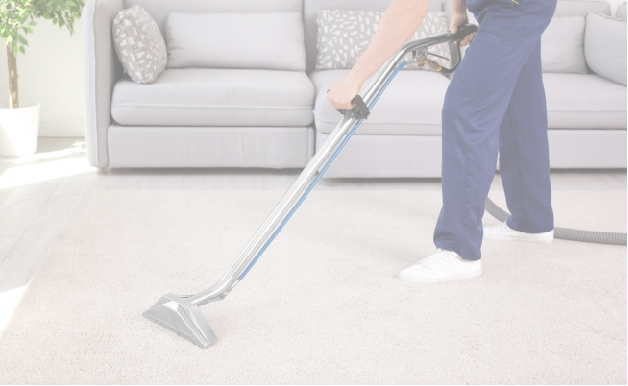
Professional flood water removal in Bradenton Florida helps property owners remove unwanted water and begin addressing water-affected areas after flooding, leaks, or other water intrusion. Standing water can spread into flooring, carpets, walls, furniture, and other materials, so identifying the source and addressing the affected areas promptly is important.
Steamatic provides flood water removal services for customers in the Bradenton area. If your property has experienced water intrusion, contact Steamatic at 941-756-4574 to discuss the situation and find out what service is appropriate.
Professional Flood Water Removal for Water-Affected Properties
Unexpected water inside a home or business can create problems quickly. Water may remain confined to one room, or it can travel into adjoining areas and materials that are not immediately obvious.
Flood water removal focuses on removing unwanted water and evaluating areas affected by the incident. The appropriate response depends on where the water came from, how much water is present, which materials are affected, and whether the source has been stopped.
Professional assistance can be particularly useful when the amount of water is beyond what can reasonably be handled with towels, mops, or ordinary household equipment.
When You May Need Flood Water Removal
Water intrusion can happen for many reasons. Some incidents are immediately visible, while others become apparent when wet flooring, carpeting, or other materials are discovered.
Professional assistance may be appropriate when:
-
Standing water is present inside the property
-
Carpet and flooring have become heavily saturated
-
Water has spread across multiple rooms
-
Furniture or other belongings are exposed to water
-
Water has reached walls or other building materials
-
A plumbing problem has released a significant amount of water
-
Storm-related water has entered the property
-
The affected area is too large for routine household cleanup
Before cleanup begins, the source and nature of the water should be considered. Different water-loss situations can require different precautions and restoration decisions.
Why Prompt Water Removal Matters
Water does not necessarily remain where it first enters a property. It can move across floors and into porous materials, making the affected area larger than it initially appears.
Removing standing water is therefore an important early step in dealing with a water-loss event. Once accessible water has been addressed, affected materials can be evaluated to determine what additional drying, cleaning, or restoration work may be appropriate.
Prompt action can also make it easier to understand the actual extent of the problem. Waiting while water remains in contact with carpeting, flooring, furniture, and building materials can complicate cleanup.
If water is actively entering the property, address the source when it is safe to do so and contact an appropriate professional for assistance.
What Happens During Flood Water Removal?
Every water-loss situation is different, so the response should be based on the conditions at the property rather than a one-size-fits-all approach.
The affected areas first need to be identified and the water source considered. Standing or accessible water can then be addressed as appropriate for the situation.
Materials exposed to water may also require further evaluation. Carpeting, padding, furniture, flooring, walls, and other porous materials can respond differently depending on the amount and type of water exposure.
Water removal is often only one part of the process. Depending on the incident, additional drying, cleaning, or restoration may be necessary after the visible water has been removed.
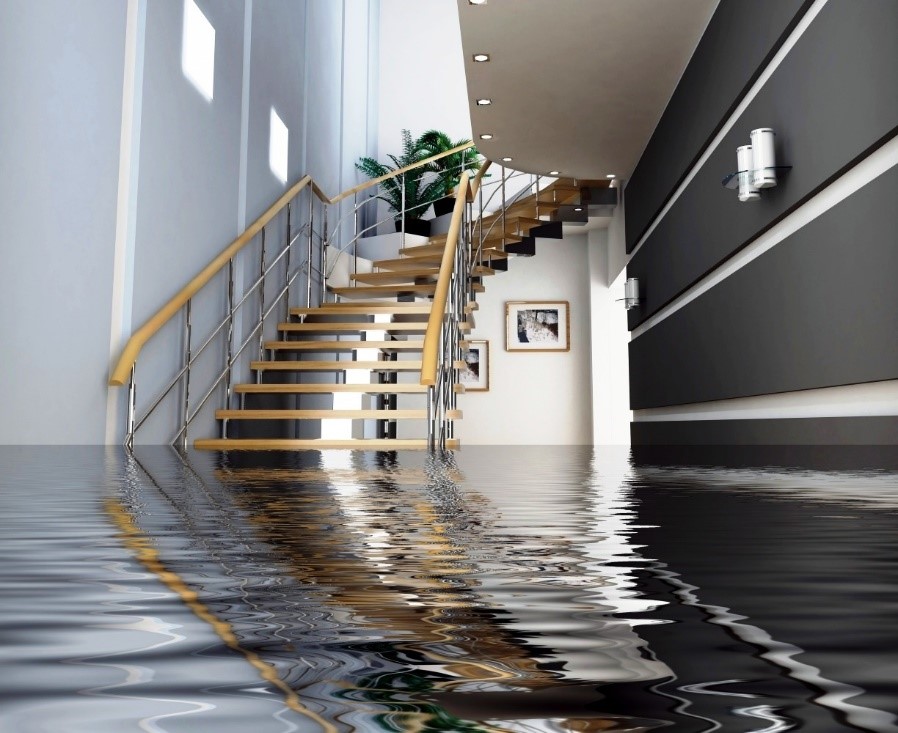
Water Can Affect More Than the Floor
Standing water on a floor may be the most noticeable sign of a problem, but water intrusion can involve several parts of a room.
Carpeting and padding can absorb moisture. Upholstered furniture may also be affected when water reaches the base of a sofa or chair. Depending on the depth and duration of the water exposure, baseboards, drywall, cabinets, and other materials may require evaluation.
For this reason, simply removing visible water does not necessarily mean every affected material has been addressed.
A professional assessment can help determine the scope of the affected area and what additional steps should be considered.
What to Do When You Discover Indoor Flooding
First, consider personal safety. Do not enter standing water when electrical hazards, structural problems, sewage, contaminated water, or other unsafe conditions may be present.
If the source can be stopped safely, taking action to prevent additional water from entering the property can limit further exposure. Plumbing-related incidents may require shutting off an appropriate water supply and contacting a plumber to repair the underlying problem.
Move people and pets away from unsafe areas. Avoid using ordinary electrical appliances in or around standing water.
Once immediate safety concerns are addressed, contact a water removal professional and explain what happened, where the water came from if known, and which areas appear to be affected.
Preparing for Professional Water Removal
When contacting Steamatic, provide as much useful information as possible about the situation.
Explain where the water is located, what caused the incident if known, when you discovered it, and which rooms or materials appear affected. Mention whether water is still entering the property.
Do not attempt potentially hazardous cleanup simply to prepare for the technician. If the source of the water is unknown or potentially contaminated, avoid unnecessary contact until the situation has been properly evaluated.
Photographs of affected areas may also be useful for your own documentation. If an insurance claim may be involved, follow your insurer’s instructions regarding documentation and reporting.
Flood Water Removal and Water Damage Restoration
Water removal and restoration are related, but they are not necessarily the same step.
Water removal focuses on addressing unwanted water at the property. Restoration can involve additional work needed after the initial water problem has been controlled, depending on what materials and areas were affected.
A property with a relatively contained water incident may have different needs from one where water has spread into carpeting, walls, furniture, or multiple rooms.
Understanding the full scope of the water intrusion helps determine what services may be necessary after the initial removal process.
Same Service We Provide In Your Nearby Area
Other Services We Provide In Your Area
Frequently Asked Questions About Flood Water Removal
What should I do first when I find standing water?
Keep people and pets away from potentially unsafe areas. If you can safely stop the source of incoming water, do so. Avoid entering standing water when electrical hazards, sewage, structural damage, or contamination may be involved, and contact an appropriate professional for assistance.
Is removing visible water enough?
Not necessarily. Water can be absorbed by carpeting, padding, furniture, walls, and other porous materials. Additional evaluation and drying may be necessary depending on the extent of the water exposure.
Can flooded carpet always be cleaned?
Whether carpeting can be cleaned or should be replaced depends on several factors, including the source of the water, degree of saturation, duration of exposure, condition of the carpet, and materials underneath it. The affected carpet should be evaluated before deciding how to proceed.
Should I remove flood water myself?
Small, clean-water incidents may sometimes be manageable with appropriate precautions, but significant standing water or water involving unknown contamination, sewage, electrical hazards, or structural concerns should not be treated as an ordinary DIY cleanup.
What information should I provide when calling?
Explain what caused the water intrusion if known, whether water is still entering the property, which rooms are affected, and what materials appear wet. This gives the company useful information about the situation before service.
Is flood water removal the same as water damage restoration?
They are closely related but can involve different stages. Water removal addresses unwanted water, while restoration may include additional drying, cleaning, and work needed to address materials affected by the incident.
Request Flood Water Removal in Bradenton Florida
When unwanted water enters your property, determining the source and addressing affected areas are important early steps. A professional can help evaluate the situation, remove accessible water, and determine what additional services may be appropriate.
Steamatic provides flood water removal and related services for customers in the Bradenton area. Contact the company and explain what happened, where the water is located, and which parts of your property appear to be affected.
Call 941-756-4574 to discuss flood water removal in Bradenton Florida.